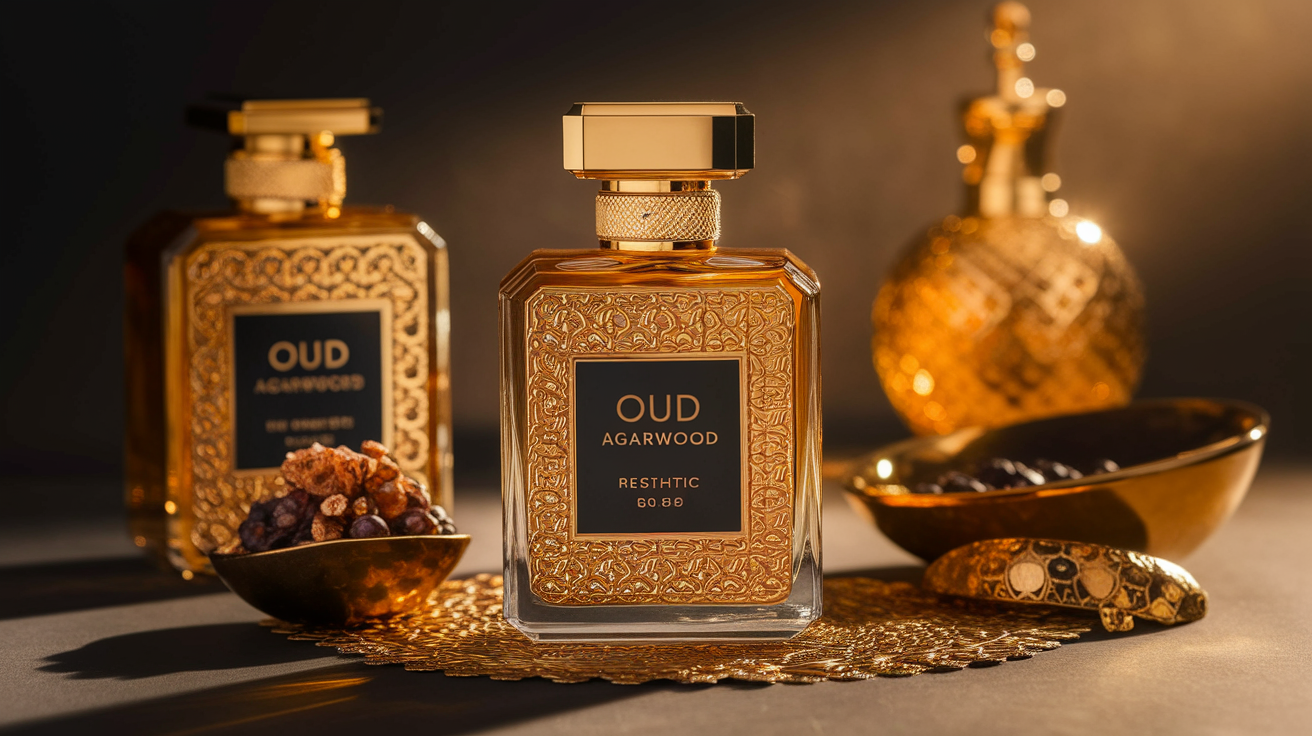
My friend handed me a bottle.
"Try this. Lattafa Khamrah. ₹2,849 on Amazon."
I sprayed it. Rich. Deep. Lasted 12 hours on my shirt.
"What's this inspired by?"
"Doesn't matter. It's good. And it's ₹2,849, not ₹18,000."
That was my introduction to Middle Eastern perfumes. Arabic brands that most Indians have never heard of. But they're everywhere in the perfume world.
Rasasi. Armaf. Lattafa. Ajmal. Swiss Arabian. Al Haramain.
They sell premium perfumes for ₹1,500-4,000. Not ₹18,000 like Dior. Not ₹35,000 like Creed.
How do they do it? What are their margins? And why do they dominate the Indian market?
I pulled the data. Here's what I found.
Quick Answer: Middle Eastern Perfume Profit Margins
Arabic/ME perfume market breakdown (2025-2026 India retail data):
| Brand | Price Range (India) | Profit Margin | Revenue |
|---|---|---|---|
| Rasasi (UAE, 1979) | ₹1,250-6,449 (75-100ml) | 50-90% | $134.6M |
| Armaf (UAE, 1998) | ₹1,875-6,000 (55-200ml) | 50-90% | 300+ SKUs |
| Ajmal (UAE/India, 1950s) | ₹1,080-11,500 (100ml) | 50-90% | $61.8M |
| Lattafa (UAE, 1980) | ₹1,449-3,448 (55-100ml) | 50-90% | 2,000+ products |
| Arabiyat Prestige (UAE, 2020) | ₹1,199-4,250 (80-100ml) | 50-70% | New brand |
| French Avenue (UAE, 2021) | ₹2,990-3,990 (100ml) | 50-70% | Dupe brand |
| Paris Corner (UAE, 30 years) | ₹1,398-3,749 (75-100ml) | 50-70% | Dupe brand |
Attar economics:
- Premium attars: ₹3,000-8,000 (margins: 30-50%)
- Commercial attars: ₹500-2,000 (margins: 40-50%)
- Oud crisis: Natural oud $10,000-40,000/kg (synthetic $1/gram)
- Sandalwood crisis: ₹1,00,000/kg in 2025 (was ₹5,000 in 2002)
Key insight: ME brands operate on similar margins as Western luxury (50-90%) but charge 70-80% less. How? No celebrity endorsements, regional manufacturing, family businesses, oil-based formulas that last longer.
Continue reading for brand-by-brand India pricing →
Why Middle Eastern Perfumes Dominate India
Before we dive into margins, understand this: Arabic perfumes are taking over India.
Walk into any perfume enthusiast group. Half the recommendations are ME brands.
Why ME brands win in India:
1. Climate compatibility
- Formulated for heat (Dubai, Riyadh = 40-50°C)
- India (Delhi, Mumbai summer = 35-42°C)
- Oil-based attars don't evaporate like alcohol perfumes
- Perform better in humidity
2. Cultural alignment
- Traditional Indian affinity for attars and oud
- Muslim consumer base prefers Middle Eastern brands
- Familiar scent profiles (oud, rose, saffron, musk)
3. Value proposition
- ₹2,000-4,000 for 100ml vs. ₹18,000 for Western luxury
- Higher concentration (often 15-25% vs. 10-15%)
- Longer lasting (8-12 hours vs. 4-6 hours)
4. Better ml-to-price ratio
- Entry-level: 100ml for ₹1,000-2,000
- Mid-range: 100ml for ₹2,000-4,000
- Premium: 100ml for ₹4,000-7,000
- (Compare: Western designer 50ml for ₹8,000-15,000)
The numbers don't lie:
- Lattafa Khamrah: ₹2,849 for 100ml = ₹28.49/ml
- Dior Sauvage: ₹12,000 for 100ml = ₹120/ml
- 4.2x cheaper per ml
Now let's see how these brands make money.
Traditional Middle Eastern Perfume Houses
These are the established brands. Family businesses. Decades of history.
Rasasi (Founded 1979, Dubai)
Founded by Abdul Razzak Kalsekar. 115+ showrooms across GCC.
Revenue: $134.6 million (2025)
India retail pricing:
- Entry: ₹1,250-2,000 (Chastity, Blue For Men, Daarej)
- Mid: ₹2,000-3,500 (Hawas, Egra, Shuhrah)
- Premium: ₹3,500-6,449 (Hawas variants, La Yuqawam)
Popular in India:
- Hawas: ₹2,849 (aquatic fresh, Invictus Aqua vibe)
- Hawas Black: ₹3,299 (darker, woody)
- La Yuqawam: ₹6,449 (oud-forward, luxury)
Economics:
- Gross margin: Estimated 60-80%
- Regional manufacturing (UAE) cuts costs
- No celebrity endorsements
- Strong retail network (115+ owned stores)
Positioning: Blends Arabian perfumery with international trends. Both traditional ouds AND western-style fresh scents.
Armaf (Founded 1998, UAE)
Started by Fakhruddin family. Known for Club De Nuit series.
Portfolio: 300+ fragrances
India retail pricing:
- Entry: ₹1,875-2,000 (Hunter, Tres Nuit, Tag Him)
- Mid: ₹2,000-4,000 (Odyssey series, The Pride)
- Premium: ₹4,000-6,000 (Club De Nuit Intense, Untold, Milestone)
Bestsellers:
- Club De Nuit Intense Man: ₹4,037 for 105ml (Aventus dupe)
- Club De Nuit Intense Woman: ₹3,145 for 105ml (similar performance)
- Odyssey Mega: ₹2,499 for 100ml (beast mode longevity)
Why it works:
- "Affordable luxury" positioning
- Saves consumers up to 90% vs. designer counterparts
- Strong performance (8-12 hour longevity)
- No compromise on quality
Economics:
- Gross margin: Estimated 70-85%
- Lower input costs (no Creed oud, but quality synthetics)
- Volume-based manufacturing
- Direct distribution to retailers
Strategy: Create high-quality alternatives to Western luxury. Charge 20-30% of the price. Win on value.
Ajmal (Founded 1950s, Indo-Arab Heritage)
Started by Haji Ajmal Ali in India. Moved HQ to UAE. Now back in India strongly.
Revenue: $61.8 million (2026)
Retail presence:
- 350+ exclusive outlets in GCC
- 3,000+ points-of-sale in India
- 40+ e-commerce sites
India retail pricing:
- Entry: ₹1,080-1,500 (4ever, Bastion Onyx, Wave, Neutron)
- Mid: ₹1,500-3,000 (Mystery, Amaze, Ahlam)
- Premium: ₹4,000-11,500 (Bling Pour Femme ₹4,199, Hatkora Wood ₹11,500)
Profit margin: 7.03% net (March 2025 data - after all expenses)
Why Ajmal different:
- Indo-Arab heritage (understands both markets)
- Tailored for Indian weather, skin chemistry, lifestyle
- Oil-based attars AND modern EDPs
- Luxurious blends with masterful use of oud
Economics:
- Lower net margin (7%) suggests heavy investment in distribution
- 3,000+ touchpoints cost money
- But revenue growing ($50M target in coming years)
Lattafa (Founded 1980, Dubai)
Established by Sheikh Shahid Ahmad & Shoaib Iqbal.
Portfolio: 2,000+ products Global: 60+ countries
India retail pricing:
- Entry: ₹1,449-2,000 (Hayaati Black, Yara, Ramz Silver)
- Mid: ₹2,000-2,500 (Khamrah, Asad, Bade'e Al Oud, Fakhar)
- Premium: ₹2,500-3,448 (Musamam White Intense, Nebras, Atlas)
Viral products:
- Khamrah: ₹2,849 (sweet oud, vanilla, cinnamon - TikTok famous)
- Bade'e Al Oud Honor/Glory: ₹2,499 each (classic Arabian)
- Yara: ₹1,999 (sweet fruity, compliment beast)
Economics:
- Gross margin: 70-80%
- Authentic Arabic fragrances at budget-friendly prices
- Massive catalog (2,000+ products) = economies of scale
- Strong online presence (sells well on Amazon India)
Positioning: True Arabian scents for everyone. Not dupes. Original formulas. Just priced right.
Swiss Arabian (Founded 1974, UAE)
First perfume manufacturer in UAE. 50 years of heritage.
Founded by: Hussein Adam Ali (Yemen)
Unique positioning: "Where Western and Oriental perfumery meet"
India retail pricing:
- Mid: ₹2,999-4,500 (Edge, Shaghaf Oud)
- Premium: ₹4,500-5,999 (Soul of Bali, Enigma of Taif, Shumoukh Al Ghutra)
Why more expensive:
- Legacy brand (50 years)
- Premium ingredients
- Extrait concentration (highest oil %)
- Fancy packaging
Economics:
- Gross margin: 60-75%
- Higher pricing = higher absolute margins
- Smaller volume than Lattafa/Armaf
- Premium positioning justified by quality
Al Haramain (Founded 1970, UAE)
One of the most recognized ME perfume brands.
India retail pricing:
- Entry: ₹2,499 (Detour Noir)
- Mid: ₹3,999-5,999 (L'Aventure, Khulasat Al Oud, Blanche)
- Premium: ₹6,000-9,499 (Amber Oud series, Platinum Oud, Signature Blue)
Flagship: Amber Oud collection
- Amber Oud: ₹5,400 (standard)
- Amber Oud Gold Edition: ₹7,250
- Amber Oud Extreme Gold: ₹9,499
- Amber Oud White Edition: ₹8,149
Economics:
- Gross margin: 65-80%
- Premium pricing = luxury margins
- Iconic Arabian scents = brand loyalty
- Higher COGS (cost of goods sold) due to quality
Affordable Luxury Middle Eastern Brands
New wave of ME brands. Modern approach. Still affordable.
Arabiyat Prestige (Founded 2020, UAE)
House of My Perfumes. Innovation: "Layering in a bottle"
What's layering in a bottle?
- Traditional perfumery: Single scent pyramid
- Arabiyat Prestige: Multiple scent profiles in ONE bottle
- Complex, evolving, unique
India retail pricing:
- Entry: ₹1,199-2,000 (Oud Al Layl, Blueberry/Cranberry Musk)
- Mid: ₹2,000-3,500 (Aariz, Swar, Ramad, Fahad, Bahiya, Nyla)
- Premium: ₹3,500-4,250 (Hypnotic Oud ₹4,250, La Di Da Homme ₹3,799, Mahad Al Dahab ₹3,500)
Why interesting:
- Founded 2020 (very recent)
- Already in North/South America, Europe, MENA, Russia, Far East, Southeast Asia
- Innovation-focused (layering concept)
- Affordable luxury positioning
Economics:
- Gross margin: 60-75%
- New brand = heavier marketing spend
- But innovative concept = can charge premium over generic ME brands
Inspired/Dupe Middle Eastern Brands
These brands reverse-engineer Western luxury. Sell at fraction of price.
French Avenue (Fragrance World, Founded 2021, UAE)
Concept: Merges Parisian perfumery elegance with Arabian luxury richness.
India retail pricing:
- All products: ₹2,990-3,990 for 100ml
Popular products:
- Royal Blend: ₹2,990 (inspired by high-end niche)
- Aether Extrait: ₹3,300 (extrait concentration)
- Vulcan Feu: ₹3,990 (luxury dupe)
Business model:
- Create "inspired by" luxury fragrances
- Use GC-MS to analyze luxury scents
- Recreate with quality aroma chemicals
- Sell for ₹3,000 instead of ₹25,000
Economics:
- Gross margin: 70-80%
- Low R&D (reverse-engineering existing formulas)
- No celebrity fees
- Quality synthetics cheaper than rare naturals
- Direct distribution
Paris Corner (Founded ~30 years ago, UAE)
Legacy: Nearly 30 years, but specializes in affordable luxury and inspired fragrances.
India retail pricing:
- Entry: ₹1,398-1,700 (Pendora Scents, Khair series)
- Mid: ₹1,700-2,500 (Emir series, Ministry of Oud, Rifaaqat)
- Premium: ₹2,500-3,749 (Marshmallow Blush ₹3,749, North Stag ₹2,549)
Collections:
- Emir: Modern interpretations (₹1,749-2,149)
- Ministry of Oud: Oud-focused (₹1,775+)
- Pendora Scents: Affordable dupes (₹1,398-1,549)
- Khair series: Value offerings (₹1,699)
Strategy:
- Blend Parisian perfumery with Middle Eastern olfactory traditions
- Wide range (₹1,400-3,700) = something for everyone
- Strong value proposition
Economics:
- Gross margin: 60-75%
- Volume player (many SKUs)
- Lower per-unit margins but high turnover
The Attar Economics: Oil vs. Alcohol
Traditional Middle Eastern perfumery = oil-based attars, not alcohol perfumes.
Oil-based attars:
- Pure fragrance oils in sandalwood oil base
- No alcohol (halal, longer-lasting)
- Applied to skin/clothes, absorbed slowly
- Lasts 12-24 hours
Alcohol-based perfumes:
- Fragrance oils diluted in alcohol (80-90% alcohol)
- Evaporates faster
- Lasts 4-8 hours typically
Cost comparison:
For consumer:
- Oil-based attar: ₹1,000/year (a few drops daily, bottle lasts 6-12 months)
- Alcohol perfume: ₹20,000/year (50ml every 2-3 months at ₹7,000-10,000/bottle)
For manufacturer:
- Oil-based: Higher ingredient cost (sandalwood base), lower production volume
- Alcohol-based: Cheaper (bulk alcohol), higher production volume
Premium attars (₹3,000-8,000):
- Pure essential oils
- Sandalwood base (expensive)
- Traditional deg-bhapka distillation
- Labor-intensive (60 days for batch)
- Margins: 30-50% (high COGS due to sandalwood crisis)
Commercial attars (₹500-2,000):
- Synthetic/blended oils
- Alternative bases (not pure sandalwood)
- Modern production
- Margins: 40-60%
The Oud Crisis: Why Natural Oud Costs More Than Gold
Oud (agarwood) is THE signature ingredient in Middle Eastern perfumery.
What is oud?
- Resinous wood from Aquilaria trees
- Only forms when tree gets infected with specific mold
- Takes 10-30 years in wild for resin to develop
- Only 1-2% of wild trees naturally produce oud
Pricing (2025):
- Natural pure agarwood oil: $10,000-40,000/kg
- Indian oud oil: $32,000-40,000/kg
- Genuine aged oud oil: $50,000+/kg
- Ultra-rare Kyara grade: Far higher
- High-quality oud oil: Up to €100,000/kg (surpassing gold)
Synthetic oud:
- ~$1/gram ($1,000/kg)
- 30-40x cheaper than natural
The crisis:
- 80% decline in wild populations due to overharvesting
- Low yield from plant material
- Labor-intensive extraction
- Takes 10-30 years to develop in wild
Impact on perfume pricing:
- Only 3-5% of commercial Arabic perfumes use authentic oud
- Most use synthetic oud (Oud-Accord, Javanol, etc.)
- Natural oud perfumes: ₹8,000-15,000+
- Synthetic oud perfumes: ₹1,500-4,000
Example:
- Lattafa Khamrah (₹2,849): Synthetic oud
- Ahmed Al Maghribi Bombay Oud (₹3,999): Likely synthetic
- Al Haramain Amber Oud Extreme Gold (₹9,499): Might contain some natural
Economics:
- Natural oud: 10-20% gross margin (too expensive)
- Synthetic oud: 70-80% gross margin (affordable)
- This is why most ME perfumes use synthetic oud
The Sandalwood Crisis
Sandalwood oil = traditional base for attars. But there's a massive crisis.
Pricing trajectory:
- 2002-03: ₹5,000-6,000/kg
- 2011-12: ₹40,000/kg
- 2025: ₹1,00,000/kg + 18% GST = ₹1,18,000/kg
- 195% increase over 10 years
Government rate: ₹1,50,000/kg
Why so expensive?
- Supply collapsed: From 4,000 tonnes/year to 400 tonnes/year (10x drop in 40 years)
- Trees take 15-20 years to mature
- Illegal deforestation
- Inadequate replanting
- Listed as vulnerable to extinction (early 2000s)
Impact on attar pricing:
- 1 kg of sandalwood at ₹1 lakh brings attar price to ₹1.5 lakh/kg minimum
- Traditional attars becoming unaffordable
- Shift to synthetic bases or alternative carrier oils
Economics for attar makers:
- Historical margins: 900% (when sandalwood was cheap)
- Current margins: 10-20% (barely sustainable)
- Many traditional attar makers going out of business
Why ME Perfumes Cost Less Than Western Luxury
You've seen the pricing. ME brands charge ₹1,500-4,000. Western luxury: ₹12,000-25,000.
Both claim "luxury." Both claim "quality." Why the 5-10x price difference?
What ME brands DON'T pay for:
1. Celebrity endorsements
- Western luxury: ₹18-180 crore per campaign (Johnny Depp $20M, Charlize Theron $55M)
- ME brands: ₹0 - use authentic cultural marketing instead
2. Elaborate packaging
- Western luxury: $20-30 (₹1,800-2,700) for custom bottles, magnetic boxes, velvet lining
- ME brands: ₹150-500 for functional but attractive packaging
3. Marketing overkill
- Western luxury: 90%+ of price goes to marketing, celebrity, brand prestige
- ME brands: 10-30% - focus on quality, word-of-mouth
4. Retail markup
- Western luxury: Sephora takes 60-70%
- ME brands: Direct distribution or lower retail margins
5. Aging/maceration time
- Western designers: Age perfumes for months before selling
- ME clone brands: Ship immediately to keep prices low (buyers macerate at home)
What ME brands DO spend on:
1. Higher concentrations
- Arabic perfumes: 15-25% fragrance oil
- Western designers: 10-15% fragrance oil
- More oil = better performance = better value
2. Quality synthetics
- Not "cheap" synthetics - high-quality aroma chemicals
- Same molecules as luxury brands use
- Just without the brand tax
3. Regional manufacturing
- UAE has robust fragrance manufacturing infrastructure
- Lower labor costs than France
- No tariffs within region
4. Family businesses
- Most ME brands: Family-owned
- Lower overhead (no shareholders demanding 20% returns)
- Reinvest in quality, not maximize short-term profit
Result:
- ME brands: 50-90% gross margins, ₹2,000-4,000 retail
- Western luxury: 70-85% gross margins, ₹15,000-25,000 retail
- Same margins. Different pricing strategy.
Why ME Perfumes Dominate the Indian Market
ME brands aren't just "cheaper alternatives." They're actually better suited for India.
1. Climate compatibility
- Dubai summer: 40-50°C
- Delhi summer: 35-42°C
- Mumbai summer: 32-38°C + 80% humidity
ME perfumes formulated for heat. Western perfumes for 20°C Paris.
2. Oil-based formulations
- Attars don't evaporate in heat
- Alcohol perfumes fade in 2-3 hours in Indian summer
- Attars last 12-24 hours
3. Cultural alignment
- Traditional Indian affinity for oud, rose, saffron, musk
- Muslim consumers prefer halal (alcohol-free)
- Familiar scent profiles
4. Better value proposition
- ₹2,000 for 100ml ME perfume = ₹20/ml
- ₹15,000 for 50ml Western = ₹300/ml
- 15x better value per ml
5. Performance in humidity
- Arabic perfumes use more fixatives
- Higher concentration (15-25% vs. 10-15%)
- 2 sprays of Arabic = 5-6 sprays of Western designer
Market data:
- ME perfumes growing faster than Western brands in India
- Tier 2/3 cities: ME brands dominating
- Price-conscious consumers: ME is obvious choice
Profit Margin Breakdown: Real Numbers
Let's get specific about ME brand economics.
Traditional ME Houses (Rasasi, Ajmal, Lattafa)
Pricing model:
- Entry (₹1,000-2,000): Gross margin 50-60%
- Mid (₹2,000-4,000): Gross margin 60-75%
- Premium (₹4,000-7,000): Gross margin 65-80%
Example: Lattafa Khamrah (₹2,849 retail)
- Production cost: ₹500-700
- Synthetic oud/vanilla notes: ₹200-300
- Alcohol base: ₹50-100
- Bottle/packaging: ₹150-200
- Labor/overhead: ₹100-150
- Distribution/platform: ₹300-400
- Total cost: ₹800-1,100
- Retail: ₹2,849
- Gross margin: 60-72%
Inspired/Dupe Brands (French Avenue, Paris Corner)
Economics:
- Lower R&D (reverse-engineering existing formulas)
- Quality synthetics (cheaper than rare naturals)
- Direct distribution
Example: French Avenue Royal Blend (₹2,990 retail)
- Production: ₹600-800
- GC-MS analysis: Amortized cost ₹50-100
- High-quality synthetics: ₹300-400
- Bottle/packaging: ₹150-200
- Labor: ₹100-150
- Distribution: ₹300-400
- Total cost: ₹900-1,200
- Retail: ₹2,990
- Gross margin: 60-70%
Premium Attars (₹3,000-8,000)
Economics:
- Higher ingredient costs (if using real sandalwood/oud)
- Traditional production (labor-intensive)
- Smaller batches
Example: Premium attar (₹5,000 retail)
- Ingredients: ₹2,000-2,500
- Sandalwood base: ₹1,000-1,500 (if authentic)
- Essential oils: ₹500-800
- Traditional distillation labor: ₹300-500
- Packaging: ₹200-400
- Total cost: ₹2,500-3,500
- Retail: ₹5,000
- Gross margin: 30-50%
Why lower margins for premium attars?
- Sandalwood crisis (₹1 lakh/kg)
- Labor-intensive production
- Smaller market (fewer buyers at ₹5,000+)
Commercial Attars (₹500-2,000)
Economics:
- Synthetic bases (not real sandalwood)
- Modern production (not traditional deg-bhapka)
- Mass production
Example: Commercial attar (₹1,000 retail)
- Ingredients: ₹200-350
- Synthetic base: ₹50-100
- Fragrance oils: ₹100-200
- Labor: ₹50-100
- Packaging: ₹100-150
- Total cost: ₹300-500
- Retail: ₹1,000
- Gross margin: 50-70%
Distribution Economics: How ME Brands Reach India
ME brands use different distribution strategy than Western luxury.
Traditional Retail (Owned Stores)
Example: Rasasi (115+ stores in GCC)
- Owned retail = keep full margin
- No Sephora taking 60%
- But: High rent, salaries, inventory
Economics:
- Production: ₹700
- Retail overhead: ₹500
- Retail price: ₹2,500
- Net margin: 52%
Multi-Brand Retailers (India)
Perfume Palace, Scentira, Perfume Network India
- These retailers demand 30-40% margin (lower than Sephora's 60%)
- Why? ME brands have alternatives (can sell direct)
- Competition between retailers
Economics for brand:
- Production: ₹700
- Sell to retailer: ₹1,750 (retailer adds margin to reach ₹2,500)
- Brand margin: 60%
E-Commerce (Amazon India, Brand Websites)
Amazon India:
- Referral fee: 8-15%
- FBA: ₹50-150 per unit
- Total: 15-20%
Own Website:
- Payment processing: 2.4-2.9%
- Platform: ₹500-1,000/month
- Total: 3-5%
Economics:
- Production: ₹700
- E-commerce fees: ₹150-200 (Amazon) or ₹50-100 (own site)
- Retail: ₹2,500
- Margin: 70-75% (own site), 65-70% (Amazon)
Why DTC works for ME brands:
- Keep 70-75% vs. 30-40% through traditional retail
- Can charge less AND make more
Retail Pricing Tiers in India
Based on our research of actual India retail pricing:
Entry Tier (₹1,000-2,000)
Brands:
- Ajmal (4ever ₹1,080, Wave ₹1,199)
- Arabiyat Prestige (Oud Al Layl ₹1,199)
- Lattafa (Hayaati Black ₹1,449, Yara ₹1,999)
- Paris Corner (Pendora Scents ₹1,398-1,549)
- Rasasi (Chastity ₹1,250, Blue For Men ₹1,349)
Target: First-time ME perfume buyers, students, budget-conscious
Margin: 50-60% gross
Mid Tier (₹2,000-4,000)
Most competitive segment. Maximum brand representation.
Brands:
- Lattafa (Khamrah ₹2,849, Bade'e Al Oud ₹2,249-2,499)
- Arabiyat Prestige (Marwa ₹2,999-3,250, Safa ₹2,999-3,199)
- Armaf (Odyssey ₹2,499-2,949, Club De Nuit ₹3,145-4,149)
- Afnan (9PM ₹2,799-3,149, Supremacy ₹3,649-4,100)
- French Avenue (₹2,990-3,990 all products)
- Ahmed Al Maghribi (Kaaf ₹2,149-3,000, Muzn ₹2,899)
Target: Regular buyers, gift market, quality-conscious
Margin: 60-75% gross
Sweet spot for Indian market:
- Not too cheap (avoid "cheap perfume" stigma)
- Not too expensive (accessible to middle class)
- Best balance of quality + value
Premium Tier (₹4,000-7,000)
Brands:
- Al Haramain (Amber Oud ₹5,400-7,250, L'Aventure ₹4,349-5,399)
- Swiss Arabian (₹4,500-5,999)
- Ajmal (Bling ₹4,199, Chapter series ₹5,600)
- Armaf (Club De Nuit Intense ₹4,037-5,610)
- Arabiyat Prestige (Hypnotic Oud ₹4,250)
Target: Luxury buyers, collectors, special occasions
Margin: 65-80% gross
Ultra-Premium Tier (₹7,000+)
Brands:
- Al Haramain (Amber Oud Extreme Gold ₹9,499, Platinum ₹7,499)
- Ajmal (Hatkora Wood ₹11,500)
- Armaf (Club De Nuit Imperiale ₹5,610, 200ml ₹6,000)
Target: Connoisseurs, collectors, luxury segment
Margin: 60-75% gross (higher COGS for quality)
How House of Sultan Compares to ME Brands
Now you understand ME perfume economics.
Where we fit:
Price: ₹1,199-1,399 Comparable to:
- Ajmal entry range (₹1,080-1,500)
- Lattafa entry range (₹1,449-2,000)
- Paris Corner entry range (₹1,398-1,700)
But we're NOT a Middle Eastern brand.
Key differences:
1. Climate optimization
- ME brands: Formulated for Middle East (similar to India, but not exact)
- House of Sultan: Formulated specifically for India (30-38°C, 70-85% humidity)
- We test at Mumbai/Delhi temperatures, not Dubai
2. Original formulations
- ME dupes: Reverse-engineer Western luxury
- ME traditional: Arabian scent profiles
- House of Sultan: Original creations for Indian climate and preferences
3. Ingredient quality
- ME brands ₹1,500-2,500: Production cost ₹500-800
- House of Sultan ₹1,199: Production cost ₹700-900
- We spend similar or more on what goes in the bottle while pricing lower
4. Margins
- ME brands: 60-75% gross margin
- House of Sultan: 30-35% gross margin
- We prioritize quality over margin
What we share with ME brands:
- ✅ Direct-to-consumer (no Sephora cut)
- ✅ No celebrity endorsements
- ✅ Value pricing (₹1,199 vs. ₹18,000)
- ✅ Long-lasting performance (8-12 hours)
- ✅ Climate-tested for heat
What makes us different:
- ❌ Not inspired/dupes - original formulations
- ❌ Not ME scent profiles - balanced for Indian preferences
- ❌ Not maximizing margins - prioritizing ingredient quality
- ❌ Not traditional oud - modern compositions with Indian climate optimization
Who we compete with:
- Not competing with: Lattafa Khamrah, Armaf Club De Nuit (different scent profiles)
- Competing with: Western luxury on quality, ME brands on value
- Our niche: Premium quality + climate optimization + honest pricing
See how we price at ₹1,199 with premium ingredients →
Key Takeaways: ME Perfume Profit Margins
Margins:
- Traditional ME houses: 50-90% gross margins
- Inspired/dupe brands: 60-75% gross margins
- Premium attars: 30-50% (sandalwood crisis)
- Commercial attars: 40-60%
India retail pricing:
- Entry: ₹1,000-2,000 (Ajmal, Lattafa, Paris Corner)
- Mid: ₹2,000-4,000 (most competitive segment)
- Premium: ₹4,000-7,000 (Al Haramain, Swiss Arabian)
- Ultra-premium: ₹7,000-11,500 (Al Haramain Extreme, Ajmal Hatkora)
Why cheaper than Western luxury:
- No ₹18-180 crore celebrity campaigns
- Regional manufacturing (UAE vs. France)
- Family businesses (lower overhead)
- Direct distribution or lower retail margins
- Higher concentrations (better value)
Oud crisis:
- Natural oud: $10,000-40,000/kg
- Synthetic oud: $1/gram (40x cheaper)
- Only 3-5% commercial perfumes use real oud
Sandalwood crisis:
- ₹1,00,000/kg in 2025 (was ₹5,000 in 2002)
- Traditional attar margins collapsed from 900% to 10-20%
- Industry struggling
Why ME brands dominate India:
- Climate compatibility (formulated for 40-50°C)
- Cultural alignment (oud, rose, saffron)
- Better value (₹20/ml vs. ₹300/ml for Western)
- Higher concentrations (15-25% vs. 10-15%)
- Longer lasting (8-12 hours vs. 4-6 hours)
Bottom line: ME brands operate on similar margins as Western luxury (50-90%) but charge 70-80% less because they eliminate celebrity endorsements, elaborate packaging, and retail markups. Combined with climate compatibility and cultural fit, they're perfectly positioned to dominate the Indian market.
Further Reading
Complete the perfume margins picture:
- Western Luxury Perfume Profit Margins - Dior, Chanel, Tom Ford 70-85% margins
- Indian Perfume Profit Margins - Fogg, Beardo, Bombay Perfumery, Indian dupes
- How House of Sultan Prices at ₹1,199 - Our detailed cost breakdown
Ready to try climate-optimized perfumes formulated for India? Browse our collection →
References
- Rasasi $134.6M revenue, 115+ showrooms
- Armaf 300+ fragrances portfolio
- Ajmal $61.8M revenue, 350+ GCC outlets
- Natural oud $10,000-40,000/kg pricing data
- Sandalwood ₹1,00,000/kg crisis (2025)

About Syed Asif Sultan
Founder of House of Sultan. Passionate about pricing transparency in the perfume industry.