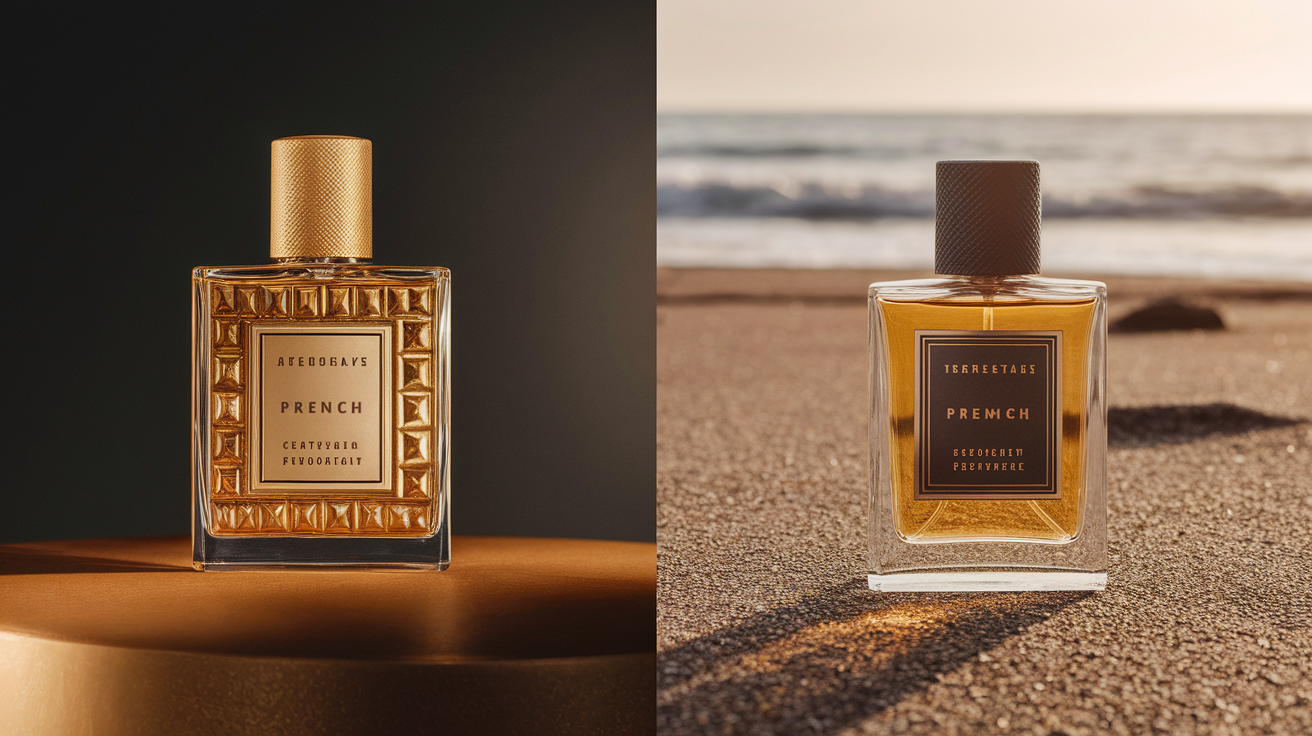
The Goa Perfume Paradox
You step off the plane in Goa. Palm trees sway in the Arabian Sea breeze. Temperature: 30°C. Humidity: 85%. You're wearing your favorite Parisian perfume—the one that smells sophisticated in Europe, that gets compliments in air-conditioned restaurants, that feels elegant and refined.
Within 30 minutes, something goes wrong.
The perfume that felt elegant in Paris now feels oppressive. The amber base that was subtle in London becomes overwhelming. The sweet vanilla that was comforting in Grasse turns nauseating in the humid coastal heat. By the time you reach the beach, you wish you could wash it off.
This isn't your imagination. This is climate formulation mismatch—and it's the reason most European perfumes fail spectacularly in Goa's tropical monsoon environment.
Here's what's happening: European perfumes are formulated and tested in Grasse, France—a Mediterranean climate with dry summers, moderate humidity (72-78%), and conditions "sheltered from the sea air." Goa has three times more annual rainfall, peak monsoon humidity of 91%, year-round tropical heat of 28-32°C, and constant exposure to coastal salt air.
In this guide, you'll learn:
- Why Grasse's Mediterranean climate creates perfumes that fail in tropical conditions
- How 91% monsoon humidity makes heavy orientals unbearable
- What actually works in Goa (oil attars, light aquatics, Goa-specific formulations)
- Honest assessment of when House of Sultan perfumes work (and when to avoid them)
Let's start with the fundamental climate mismatch that explains everything.
The Climate Mismatch: Grasse vs Goa
Where European Perfumes Are Formulated: Grasse, France
According to historical perfume capital documentation, Grasse is the center of the French perfume industry, home to major houses like Fragonard, Molinard, Galimard (since 1747), and where Chanel and Dior produce their most famous compositions. All major "noses"—the professionals who design perfumes—are based in Grasse and Paris.
Grasse's Mediterranean Climate:
Climate data from Weather Spark shows:
- Temperature range: 3-27°C (37-81°F) with seasonal variation
- Annual rainfall: 993mm
- Humidity: 72-78% (moderate levels)
- Climate type: Mediterranean—mild, humid winters and hot, DRY summers
- Sunshine: Over 300 days per year
- Critical characteristic: Grasse is "warm and sufficiently inland to be sheltered from the sea air"
This is the environment where perfumers create fragrances. They're testing evaporation rates, projection, longevity, and note development in conditions with moderate humidity, dry summers, and protection from coastal salt air.
Where You're Wearing Them: Goa, India
Detailed climate analysis from Climates to Travel reveals a dramatically different reality:
Goa's Tropical Coastal Monsoon:
- Temperature range: 20-32°C (68-90°F) year-round—consistent tropical heat
- Annual rainfall: 2,900mm (114 inches)—THREE TIMES more than Grasse
- Humidity: 58% (December low) to 91% (July-August monsoon peak)
- Climate type: Tropical monsoon—long sunny season plus intense rainy season
- Monsoon season: Late May through mid-October
- Peak rainfall: July receives "almost one meter (3.3 feet) of rain"
- July-August character: "Overcast skies with very high relative humidity, stuffy weather, cloud cover and frequent rains which are sometimes torrential"
- Sea temperature: Warm year-round at 28.6°C average
- Critical characteristic: COASTAL—direct exposure to Arabian Sea salt air
The Mismatch in Numbers
| Climate Factor | Grasse, France | Goa, India | Difference |
|---|---|---|---|
| Temperature range | 3-27°C | 20-32°C | Higher minimum (tropical) |
| Annual rainfall | 993mm | 2,900mm | 3x more in Goa |
| Peak humidity | 78% | 91% | Dramatically higher |
| Summer character | Hot & DRY | Hot & WET | Opposite conditions |
| Coastal exposure | Sheltered inland | Direct sea exposure | Salt air presence |
| Climate type | Mediterranean | Tropical monsoon | Fundamentally different |
The problem: European perfumes are calibrated for Mediterranean conditions (moderate humidity, dry summers, no salt air). Goa provides the exact opposite environment—extreme humidity, monsoon rains, constant coastal exposure, and year-round tropical heat.
As one fragrance community member observed:
"Most of the perfumes intended for the european market cant really withstand the heat and humidty."
This isn't a flaw in the perfumes. It's a formulation environment mismatch.
Why European Perfumes Fail in 91% Humidity
Problem 1: Heavy Orientals Become Cloying and Oppressive
Research from WhatScent Magazine on climate effects explains the humidity problem:
"High humidity traps fragrance molecules, making them feel heavier and more potent, which can lead to a 'cloying' effect with certain notes."
Specifically regarding heavy compositions:
"Arabic perfumes with heavier notes like oud and rose may feel cloying in high humidity."
What happens chemically:
When humidity reaches 91% (Goa's July-August peak), the air is saturated with moisture. Perfume molecules released from your skin don't dissipate normally—instead, they become trapped in the humid air, creating an oppressive cloud of scent.
For heavy European orientals (Serge Lutens Ambre Sultan, YSL Opium, Tom Ford Amber Absolute), this creates disaster:
- Amber bases that feel sophisticated at 15°C become overwhelming at 30°C + 91% humidity
- Vanilla notes that are comforting in dry air turn nauseating in tropical moisture
- Musk bases that provide subtle depth in moderate conditions project overwhelmingly
- The overall composition feels "sticky" and oppressive rather than elegant
European orientals designed for cool, moderate humidity (10-20°C, 70% humidity):
- Gradual evaporation creates subtle, elegant projection
- Base notes provide foundation without overwhelming
- Total effect: sophisticated and refined
Same perfumes in Goa's 91% monsoon humidity:
- Molecules trapped in saturated air
- Base notes amplified 2-3x intended projection
- Total effect: "headache-inducing" (as JK Aromatics research confirms)
Problem 2: Sweet Gourmands Turn Nauseating
JK Aromatics' summer perfume guidelines are explicit:
"Overly sweet, syrupy, or spicy notes in the daytime" should be avoided in extreme heat.
Regarding oud-based sweet compositions:
"The sweet vanillas, sweet ambers, and exotic florals when added to oud tend to make them too heady or rich for hot weather wear."
Why sweet notes fail in Goa's conditions:
European gourmands (Mugler Angel, Prada Candy, Viktor & Rolf Flowerbomb) are formulated for cool European winters (10-15°C). They use vanilla, caramel, tonka bean, and praline notes that create warmth and comfort in cold climates.
In Goa's 30°C heat + 85-91% humidity:
- Sweet molecules amplify dramatically
- Create "syrupy" olfactory sensation that mirrors the physical stickiness of humid air
- Become nauseating rather than comforting
- Provide zero psychological cooling effect (makes you feel hotter, not cooler)
- Turn oppressive within minutes
"Heavy perfumes with deep gourmand, spicy, or oriental (amber, oud, musks) notes tend to become overwhelming in the heat and can smell excessively strong or 'sticky.'"
Problem 3: Accelerated Evaporation WITHOUT Relief
Here's where it gets chemically interesting: Goa's heat accelerates evaporation, but the humidity prevents relief.
According to JK Aromatics climate research:
"In hot weather, even base notes start acting like top notes, and your perfume rushes through all its stages faster than intended."
Normal European conditions (15-20°C, 70% humidity):
- Top notes: Linger appropriately
- Heart notes: Develop over several hours
- Base notes: Provide long-lasting foundation
- Total: Gradual, elegant progression
Goa conditions (30°C, 85-91% humidity):
- Top notes: Evaporate in minutes (heat effect)
- Heart notes: Compressed, brief presence
- Base notes: Act like heart notes (accelerated evaporation)
- BUT: Molecules trapped by humidity create overwhelming projection before disappearing
- Total: Rush through stages, become oppressive, then fade rapidly
Ahmed Al Maghribi research confirms:
"In hot climates, your skin heats up, which causes perfume molecules to evaporate faster. This means perfumes may smell more intense initially but fade quicker throughout the day."
European EDT formulations (5-15% concentration) calibrated for gradual 15-20°C evaporation become unpredictable: too intense initially (humidity trapping), then moderate longevity at best (heat evaporation).
Problem 4: No Climate-Specific Fixatives
JK Aromatics reveals a critical formulation difference:
"Many manufacturers create climate-specific formulations with special fixatives and compositions designed for hot, humid conditions."
Formulation adjustments for hot weather (35-45°C):
- Higher concentration of base notes
- Special fixatives that resist heat
- Lighter carrier alcohols
- Less sweet, more fresh compositions
European perfumes formulated in Grasse's Mediterranean climate don't have these tropical-specific fixatives. They're optimized for:
- Moderate humidity (72-78%)
- Dry summer conditions
- Temperate temperature range (15-25°C)
- No salt air exposure
When you wear them in Goa's 91% monsoon humidity, the fixatives work differently than intended—sometimes too well (trapping molecules, creating overwhelming projection) or not well enough (rapid evaporation despite humidity).
The Monsoon Peak: July-August Perfume Apocalypse
If Goa's typical conditions challenge European perfumes, the monsoon season creates complete perfume failure.
Monsoon Conditions Data
According to StayVista's monsoon research:
- August humidity peak: 90-92%
- July humidity: Varies between 70-95% throughout the month
- Rainfall totals: August delivers 700-800mm, July similar
- Character: "Humidity levels soaring to a staggering 90% in August"
- July receives "almost one meter (3.3 feet) of rain"
- "Stuffy weather, cloud cover and frequent rains, which occur almost daily and are sometimes torrential"
- Temperature remains 23-29°C (warm despite rain)
- "Overcast skies with very high relative humidity"
What Happens to European Perfumes
Heavy orientals and gourmands:
- Become unbearable within minutes in 91% humidity
- Sweet notes nauseating in "stuffy" monsoon air
- Oud bases oppressively cloying
- Zero comfort or cooling effect
- Genuinely unpleasant for wearer and everyone nearby
Light EDTs:
- Moderate longevity (constant rain washes off application)
- Top notes disappear rapidly even in humidity
- Reapplication needed frequently
- Salt air + moisture accelerates degradation
Only survivors:
- Light aquatic EDTs applied to clothing (1 spray maximum)
- Oil-based attars (slower evaporation than alcohol, better in moisture)
- Goa-specific formulations designed with monsoon in mind
As climate perfume research confirms, heavy perfumes "become headache-inducing in heat"—and at 91% monsoon humidity, this effect is extreme.
Salt Air and Coastal Degradation
Goa presents an additional challenge European perfumes aren't designed for: constant exposure to coastal salt air.
Oxidation Chemistry in Marine Environments
ScienceDirect research on fragrance oxidation explains:
"Fragrance molecules, typically terpenes and phenols but also aldehydes, are electron-rich molecules likely to oxidize readily upon air exposure, with oxidation occurring through a free radical chain process initiated by heat, oxygen, light, or impurities."
Oxidation triggers:
- Heat
- Oxygen
- Light (UV exposure)
- Impurities (including salt particles)
Goa provides ALL four triggers:
- Heat: 28-32°C year-round tropical temperatures
- Oxygen: Abundant in constant Arabian Sea breeze
- Light: Intense tropical sun with high UV
- Impurities: Salt particles suspended in coastal air
Effect on Perfume Composition
European perfumes formulated in Grasse are "sheltered from the sea air" (as Riviera Magazine notes). They're not tested for:
- Constant salt air exposure
- Combined heat + UV + salt oxidation
- Coastal marine environment chemistry
What oxidation does to perfumes:
- Citrus top notes: Degrade faster in salt air (aldehydes break down)
- Floral heart notes: Terpenes oxidize, altering intended balance
- Overall composition: Shifts from perfumer's intended progression
- Skin interaction: Salt + sweat + perfume = altered scent profile
Classic French citrus-based EDTs (Hermès Eau d'Orange Verte, Acqua di Parma Colonia) designed for Mediterranean conditions smell different after 30 minutes in Goa's salt air than they do in Paris.
What DOES Work in Goa
Not everything fails in tropical coastal monsoon conditions. Four categories consistently perform:
1. Oil-Based Attars: The Performance Champions
JK Aromatics formulation research is decisive:
"Oil-based or highly concentrated perfumes in summer rather than alcohol-based sprays that tend to fade quickly."
Why oils work better in Goa than European alcohol EDTs:
- Slower evaporation: Oil evaporates more slowly than alcohol even at 30°C+
- Skin-friendly: "Alcohol-based perfumes can irritate skin that's already dealing with heat rash"
- Moisture-compatible: Oils perform better in high humidity than alcohol formulations
- Extended presence: Better longevity compared to European EDT in tropical conditions
Best oil-based options for Goa:
- Vetiver attars: Fresh, green, cooling perception—perfect for tropical heat
- Fresh aquatic attars: Marine notes in oil base (combines two advantages)
- Light sandalwood attars: Woody without sweet vanilla overlay (not heavy traditional sandalwood)
Application: 1-2 drops on pulse points. Oil is concentrated—you need less than you think.
2. Light Aquatic EDTs: Synthetic Stability
Basenotes community recommendations from users in tropical climates identify consistent winners:
- Issey Miyake L'Eau d'Issey: "Stand up to high heat and humidity without becoming cloying"
- Hermès Un Jardin sur le Nil: Fresh, green character
- Acqua di Parma aquatic compositions: Marine-focused light EDT
Why light aquatics work:
- Synthetic molecules: Stable at high temperatures, don't "turn" sour or rancid
- Marine notes: Create psychological cooling effect even at 30°C
- Light concentration (EDT 5-10%): Evaporates appropriately without overwhelming
- Non-sweet character: No cloying effect in humidity
Application for Goa: 1-2 sprays maximum. Humidity amplifies projection, so less is more.
3. Goa-Specific Formulations: Climate-Aware Design
Multiple perfume brands create Goa-themed fragrances specifically formulated with knowledge of tropical coastal conditions:
Indic Inspirations "Goa":
- "Fresh aquatic notes inspired from the oceanic conditions of Goa"
- Features aquatic plants, tropical fruits, floral notes over white musk and amber
- Formulated WITH understanding of 91% monsoon humidity
Embark Perfumes "My Journey Goa":
- Sage, bergamot, mint, vetiver, sandalwood composition
- Creates "completely beachy vibe"
- Tested in actual Goa conditions
Hasanoud "GOA":
- "Powerful aquatic fragrance" capturing "essence of coastal paradise"
- Formulated for tropical coastal environment
Advantage of Goa-specific perfumes:
- Climate-appropriate fixatives from formulation stage
- Tested in 85-91% humidity conditions
- Light enough for tropical heat
- Marine/coastal character matches environment
- Won't become oppressive or nauseating in monsoon
4. Fresh Vetivers: Earthy Cooling
Basenotes community highlights vetivers as excellent alternatives:
"Fresh, greenish-grassy, and natural" qualities work well in tropical heat
Why vetiver works in Goa:
- Earthy, cooling psychological perception
- Green, fresh character (not heavy or sweet)
- Performs well even in high humidity
- Doesn't turn sour in salt air like citrus can
Best approach: Look for vetiver-focused compositions (not vetiver as minor base note in heavy oriental).
House of Sultan for Goa: Honest Assessment
Let's be completely honest about which House of Sultan perfumes work in Goa's tropical coastal monsoon—and which seasons to avoid them.
✅ Rustam: LIMITED SUCCESS (Dry Season Only)
Composition: Grapefruit + Yuzu + Ginger + Cedarwood + Vetiver + Amber
Why Rustam CAN work in Goa with adjustments:
- Citrus opening: Grapefruit + yuzu provide cooling perception
- Vetiver base: Green, fresh character (not heavy)—recommended for tropical climates
- Ginger: Aromatic freshness without sweetness
- High concentration (EDP): Helps maintain presence despite accelerated evaporation
Challenges in Goa's conditions:
- Amber base: Can become slightly heavy in peak 91% monsoon humidity
- EDP concentration: May project too strongly when humidity traps molecules
- Citrus oxidation: Salt air accelerates degradation of grapefruit/yuzu notes
Honest Goa performance by season:
November-February (Dry Season):
- Humidity: 58-70% (much more manageable)
- Temperature: 20-26°C (coolest period)
- Performance: Good with 1-2 sprays
- Best for: Beach evenings, outdoor dining, AC nightlife venues
March-May (Pre-Monsoon Heat):
- Humidity: 70-80%
- Temperature: 29-35°C (hottest period)
- Performance: Challenging—reduce to 1 spray on clothing
- Timing: Morning/evening only, avoid midday 35°C heat
July-August (Monsoon Peak):
- Humidity: 90-91%
- Temperature: 23-29°C
- Performance: Amber becomes oppressively heavy in 91% humidity
- Recommendation: Skip entirely or use oil-based attar instead
September-October (Post-Monsoon):
- Humidity: 80-85% (easing from peak)
- Temperature: 27-29°C
- Performance: Improving, 1-2 sprays acceptable
Rustam application adjustments for Goa:
- Normal conditions: 2-3 sprays
- Goa dry season: 1-2 sprays maximum
- Goa pre-monsoon/post-monsoon: 1 spray on clothing (not skin)
- Monsoon peak: Skip or switch to attar
Verdict: Rustam works in Goa's dry season (Nov-Feb) but becomes challenging during monsoon humidity. The citrus-vetiver profile is better suited to tropical conditions than heavy orientals, but the amber base and EDP concentration require careful seasonal timing.
❌ Sinbad: AVOID During Monsoon (Dry Season Only)
Composition: Oud + Incense + Rose + Raspberry + Amber + Benzoin
Why Sinbad FAILS in Goa monsoon conditions:
- Heavy oud base (60%+): Research explicitly warns "Arabic perfumes with heavier notes like oud may feel cloying in high humidity"
- Sweet raspberry: Gourmands should be avoided as "overly sweet, syrupy notes" in daytime heat
- Amber + benzoin: Double sweet-resinous base becomes oppressive when 91% humidity traps molecules
- Incense: Creates "stuffy" sensation in already stuffy monsoon air
What happens wearing Sinbad in 91% Goa monsoon humidity:
- Overwhelming projection within minutes
- Sweet raspberry becomes nauseating in humid heat
- Oud becomes "headache-inducing"
- Completely oppressive for wearer and everyone nearby
- Zero comfort or cooling psychological effect
When Sinbad CAN work in Goa:
November-February ONLY (Dry Season):
- Humidity drops to 58-70% (manageable for orientals)
- Temperature: 20-26°C (cool enough for oud compositions)
- Application: 1-2 sprays maximum, evening only
- Best venues: Indoor AC nightclubs, evening dining in climate-controlled spaces
Post-monsoon transition (Late September-October):
- Humidity easing to 80-85%
- Approach with caution: 1 spray only, test in AC environment first
Honest assessment: Sinbad is a European-style winter oriental designed for 10-20°C with moderate humidity. In Goa's monsoon (July-August at 91% humidity), it's genuinely unwearable—not just "less than ideal" but actively unpleasant. Save it for dry season evenings or skip Goa entirely during your Sinbad wearing period.
❌ Antar: AVOID Year-Round in Goa
Composition: Cardamom + Toffee + Caramel + Vanilla + Amberwood
Why Antar FAILS in Goa year-round:
Antar is a sweet gourmand designed for cool weather (10-20°C optimal). JK Aromatics research is explicit:
"Overly sweet, syrupy, or spicy notes in the daytime" should be avoided in heat.
The temperature problem:
- Antar's optimal range: 10-20°C (Bangalore moderate climate, Delhi winter)
- Goa's COOLEST month (January): 25.6°C mean temperature
- Goa's HOTTEST months (April-May): 29-35°C peak
- Goa year-round mean: 27.2°C
Critical insight: Goa NEVER gets cool enough for Antar. Even in "winter" (January at 25°C), it's warmer than Antar's optimal range.
What happens with Antar in Goa's conditions:
- Toffee + caramel: Become nauseating at 27-32°C year-round heat
- Vanilla amplification: Heat + 80-90% humidity make vanilla oppressive
- Sweet gourmand core: Creates "syrupy" olfactory sensation
- Zero cooling effect: Makes you feel hotter, not cooler
- Result: Actively unpleasant, not just inappropriate
Honest assessment: Among the worst possible choices for Goa's tropical coastal climate. Save Antar for:
- Bangalore year-round (moderate 24°C)
- Delhi December-February (10-15°C)
- Any location that actually experiences cool weather
In Goa: Don't pack Antar. You won't wear it comfortably even once.
Practical Strategies for Goa
Strategy 1: Season-Specific Perfume Choices
Dry Season (November-February):
- Humidity: 58-70% (manageable)
- Temperature: 20-26°C (coolest period)
- Options: Light EDPs viable with 1-2 sprays, wider range of choices
- Can wear: Rustam (2 sprays), light oriental EDPs evening only, fresh EDTs
- Still avoid: Heavy gourmands like Antar (still too warm)
Pre-Monsoon Heat (March-May):
- Humidity: 70-80%
- Temperature: 29-35°C (hottest period before monsoon)
- Options: Only light aquatics and citrus EDTs, oil attars
- Approach: 1 spray maximum on clothing, morning/evening only
- Avoid: All heavy orientals including Sinbad, anything sweet
Monsoon Peak (July-August):
- Humidity: 90-91%
- Temperature: 23-29°C
- Options: Light aquatics (1 spray), oil-based attars only
- Consider: Skipping perfume on heavy rain days
- Absolutely avoid: Sinbad, Antar, all European heavy orientals and gourmands
Post-Monsoon (September-October):
- Humidity: 80-85% (easing from peak)
- Temperature: 27-29°C
- Options: Expanding but still limited
- Approach: Reintroduce light EDPs cautiously, test before committing
Strategy 2: Beach Application Technique
"Apply to clothing rather than skin alone" for better longevity in extreme conditions.
Goa beach-specific application:
DON'T apply to:
- Wrists (exposed to salt water when swimming)
- Chest (direct sun exposure + sweat + sand = degraded perfume)
- Anywhere that will touch sea water
DO apply to:
- Shirt collar, back of neck area (fabric holds fragrance better than sweaty skin)
- Cover-up or sarong (1 spray)
- Inner clothing layer that won't get wet
Timing:
- Apply AFTER beach activities, not before
- Reapply after shower following beach
- Don't waste perfume by applying before swimming in salt water
Why clothing works better:
- Research confirms skin at 30°C+ creates instant evaporation
- Fabric stays cooler than skin
- Salt water doesn't degrade fabric-held fragrance
- Sun exposure on skin + perfume = oxidation and degradation
Strategy 3: Monsoon Survival Kit
Essential items for July-August monsoon:
-
10ml travel atomizer: Light aquatic or citrus EDT
- For quick reapplication after rain
- Small enough to carry everywhere
- Disposable if lost/damaged in monsoon conditions
-
2ml oil attar rollerball: Vetiver or fresh sandalwood
- Better longevity than alcohol EDT in 91% humidity
- Easy pulse point application
- Alcohol-free = no skin irritation from heat rash
-
Unscented moisturizer: For hydrated skin
- Well-moisturized skin holds fragrance better than dry skin
- Critical in salt air + sun exposure environment
Reapplication schedule during monsoon:
- 8 AM: Light aquatic EDT (1 spray on clothing)
- 12 PM: After rain/shower, dab oil attar on pulse points
- 6 PM: Fresh application for evening (1 spray EDT or attar)
When to skip perfume entirely:
- Torrential rain forecast (perfume washes off immediately)
- Full day beach/water activities (salt water degradation)
- Peak humidity (above 90%) + heat (above 30°C) = nothing performs well
Strategy 4: Storage in Tropical Coastal Environment
Goa's conditions can damage perfume bottles even when you're not wearing them:
Storage challenges:
- High humidity (80-91%) can penetrate bottles
- Salt air accelerates oxidation even in closed bottles
- Tropical heat (28-32°C year-round) degrades fragrance composition
- Monsoon moisture can damage labels and boxes
Storage guidelines:
- Keep in original box: Provides light and temperature protection
- Sealed plastic bag inside box: Monsoon moisture protection
- Coolest, darkest location: Away from windows and sunlight
- AC room if possible: Maintains stable temperature
- Never in bathroom: Moisture + humidity compounds problems
Best approach for Goa trips:
- Don't bring full bottle collection
- Bring 10ml decants only (less investment if damaged)
- Limit to 2-3 perfumes appropriate for season
- Leave valuable bottles at home in controlled environment
Strategy 5: Choose Goa-Appropriate Perfumes
When buying perfumes for Goa vacation:
Look for:
- "Aquatic," "marine," "fresh" in description
- Light EDT concentration (5-10%), not heavy EDP
- Citrus-based or vetiver-based compositions
- Oil-based attars from India-based brands
- Goa-specific formulations designed for tropical coastal conditions
Avoid:
- "Oriental," "gourmand," "sweet," "winter" descriptions
- Heavy EDP or Parfum concentrations
- Vanilla, caramel, tonka, amber-dominant compositions
- European winter releases from October-December
- Any perfume marketed as "cold weather" or "cozy"
Research the formulation location:
- If formulated in Grasse/Paris = designed for Mediterranean, not monsoon
- If formulated by India-based house = likely considers tropical conditions
- If has "tropical" or coastal variant = choose that over standard version
Conclusion: Climate-Aware Perfume Choices
European perfumes fail in Goa not because they're poorly made, but because they're formulated for the wrong climate. When Chanel creates a perfume in Grasse—with its Mediterranean climate of moderate humidity (72-78%), dry summers, and conditions "sheltered from the sea air"—they're calibrating evaporation rates, fixatives, and note development for temperate European conditions.
Goa provides the opposite environment:
- 3x more annual rainfall (2,900mm vs 993mm)
- Peak monsoon humidity of 91% (vs 78% maximum in Grasse)
- Year-round tropical heat of 28-32°C (vs seasonal 3-27°C range)
- Direct Arabian Sea exposure with coastal salt air (vs inland shelter)
The result is predictable: heavy orientals become cloying and oppressive as 91% humidity traps fragrance molecules. Sweet gourmands turn nauseating in 30°C heat. Alcohol-based EDTs evaporate rapidly while simultaneously projecting too strongly. Base notes rush through development stages faster than intended, creating overwhelming initial projection followed by moderate longevity.
What actually works in Goa:
- Oil-based attars: Research confirms "oil-based perfumes rather than alcohol-based sprays that fade quickly"
- Light aquatic EDTs: Community-verified to "stand up to high heat and humidity without becoming cloying"
- Goa-specific formulations: Designed with knowledge of 91% monsoon humidity
- Fresh vetivers: Cooling, earthy character that performs in tropical conditions
House of Sultan for Goa (honest assessment):
- Rustam: Works in dry season (Nov-Feb) with 1-2 sprays, avoid monsoon peak
- Sinbad: Only dry season evenings (Nov-Feb) in AC venues, never in monsoon
- Antar: Avoid year-round—Goa never gets cool enough for sweet gourmands
The climate-aware approach: Check Goa's seasonal conditions before choosing your perfume. Dry season (November-February at 58-70% humidity) offers more options. Monsoon season (July-August at 91% humidity) requires switching to oil attars or light aquatics only.
Your European winter favorites will work again in October when you're back in temperate climates. In Goa, choose perfumes formulated for the tropical coastal environment you're actually in.
Explore Rustam for Goa dry season (with seasonal adjustments), or consider Goa-specific aquatic formulations designed for 91% monsoon humidity from formulation stage.
References
- Riviera Magazine - Perfume Houses in Grasse
- Weather Spark - Grasse Climate
- Climates to Travel - Goa Climate Data
- StayVista - Goa Monsoon Weather
- Fragrantica - Perfumes for Humid Indian Conditions
- JK Aromatics - Climate Affects Fragrance Performance
- JK Aromatics - Best Summer Perfumes in India
- Ahmed Al Maghribi - Climate Impact on Perfume
- WhatScent Magazine - Seasonality and Climate
- PARFUM.AE - Best Perfumes for Hot and Humid Climates
- Basenotes - Fragrances for Hot and Humid Tropical Weather
- Fragrantica - Oud in Hot/Cold Climates
- ScienceDirect - Oxidative Degradation of Fragrances

About Fragrance Climate Research Team